
Whilst I continue to wait for NHS hospitals to let me start the research, here is something I have been putting together for a while now. I hope you enjoy reading it!
Hopefully we all get the chance to enjoy playing games every now and then. Although I admit as I have got older I have done this less (…until recently that is!). When I was at the NIHR conference last year, I saw some examples of how games can be used in the research world.
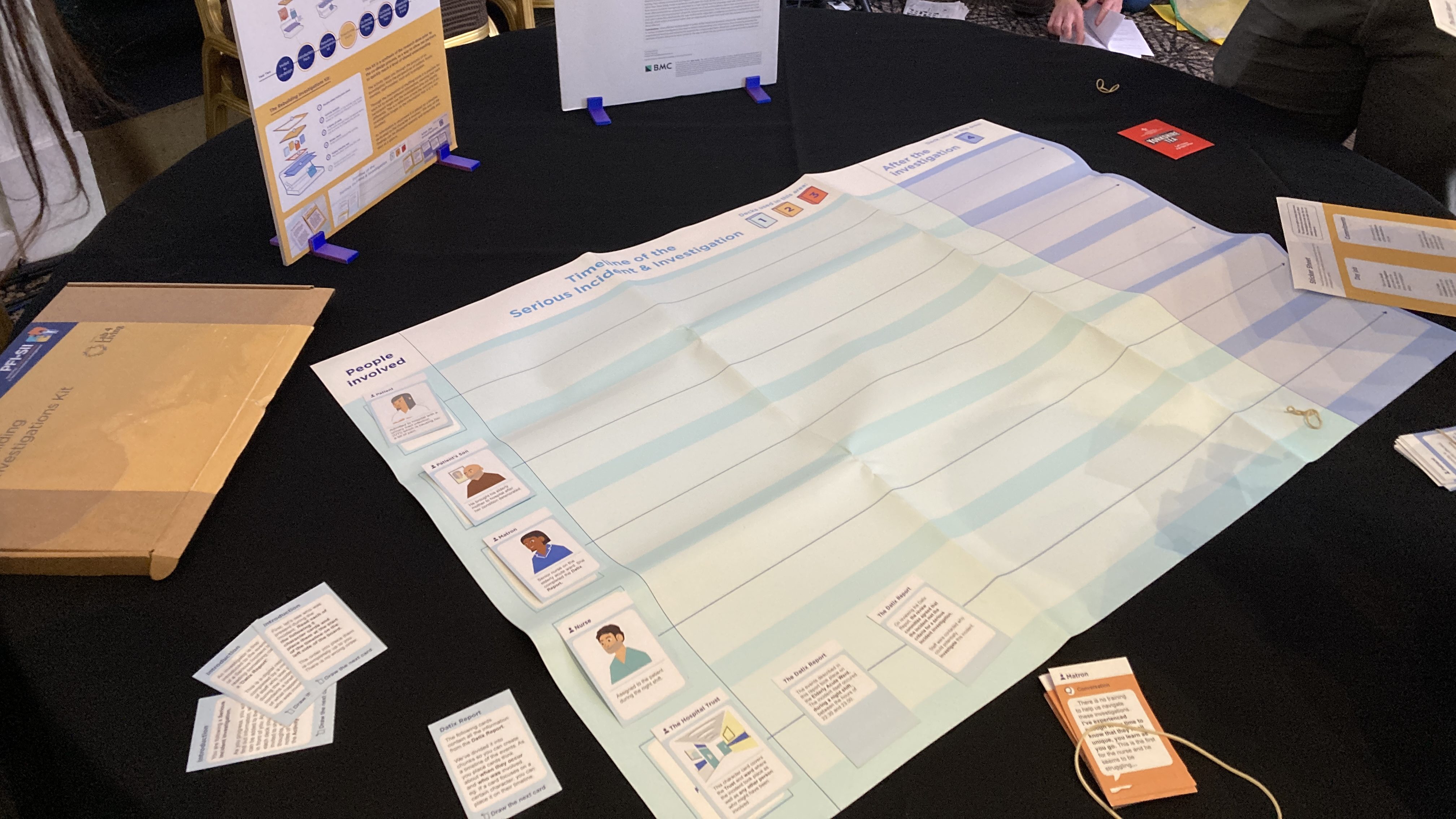
I made me wonder if we could be playing more games to help learning, but also for fun too. There is some good research that shows that playing games in important for many reasons. Usually we think of the fun part of it, but something I know I overlooked is that they can teach you things too.
Spending time with our Parent Advisory Group and play workers has helped me appreciate this. Play is an important way for us to experiment in a safe space, and to create and test new ideas with others.
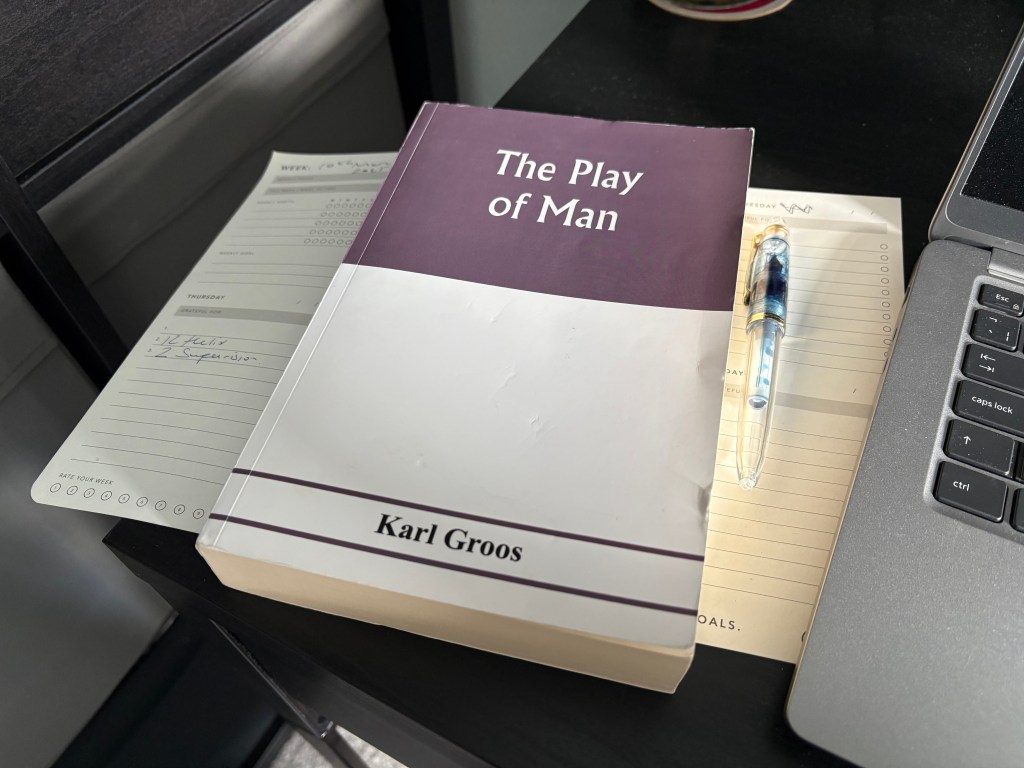
Part of studying for a PhD is about reading and going into a lot of detail on your subject of interest. I have learnt about a psychologist called Karl Groos who spent his life looking and studying play. First he looked at it in animals, and then in humans. I love getting second hand books from eBay, and I now have a copy that I will do my best to read as I am doing the PhD.
What has this got to do with medicines?
A finding from our literature review is that often parents and caregivers find themselves having to ‘play’ with real medicines, in the real world, with real children, sometimes without the opportunity to practice beforehand.
Another finding from our review was the every family journey is different. Yes, we can look at common problems and solve them in a whack-a-mole style. However, we need to do better at seeing how our lives, our health needs and the NHS combine to create an almost infinite amount of combinations and scenarios that people find themselves in.
After we complete our study learning from the experiences of parents and caregivers, we then need to make sure that any improvements we do will work for everyone. A good example of this is ‘written information’, which is relied upon a lot in healthcare. But what about if you have difficulty reading ? Or what about when it’s 2am, you’ve not slept properly for 3 months and you have a poorly child? How good is written information then?
It got me thinking that we could try and create a game about what life is like in the real world. We can then use this to test our improvements to get them into good shape before trying to roll them out across the NHS.
What are we doing about it?
I have recently completed a course run by the university to teach me how to create, develop and test a tabletop game. I am putting the learning from the literature review into the game.
At our last parent advisory group meeting, we had the idea to try and modify a version of Uno. I have spoken to some graphic designers to try and get this started. The game will work like Uno, but the cards will have a medicines theme so that you can learn about medicines at the same time.
I have mentioned previously about ‘Dr Dog’, or also referred to as ‘Med Ted’, which we are developing with help from both the game world and simulation world (which how doctors, nurses and other staff are trained).
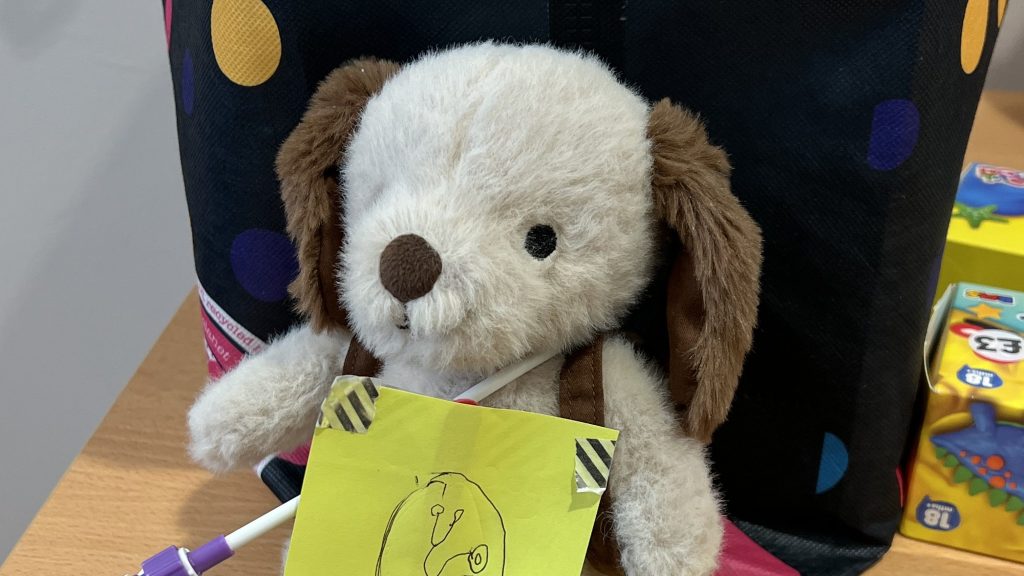
Stay tuned to hear more about how this develops over the coming months and years.
Bonus content…
As a bonus, to develop and test my abilities to think creatively, I created a game based on a pharmacy!
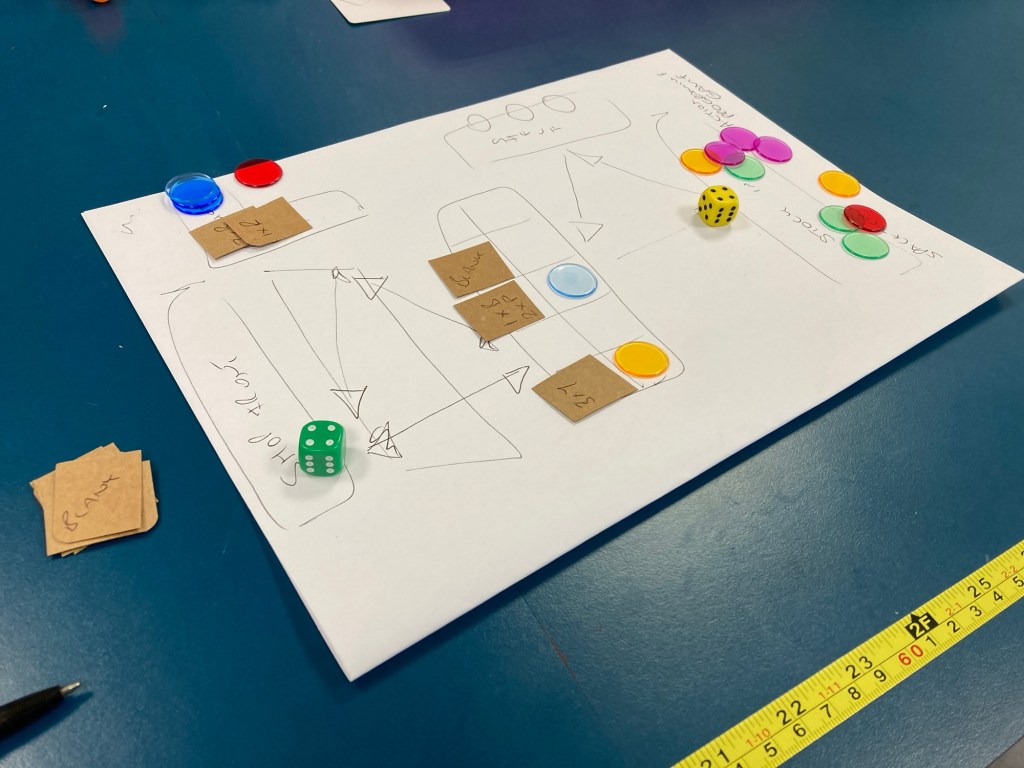
Perhaps this one is best left until after my PhD to develop!


Leave a Reply